
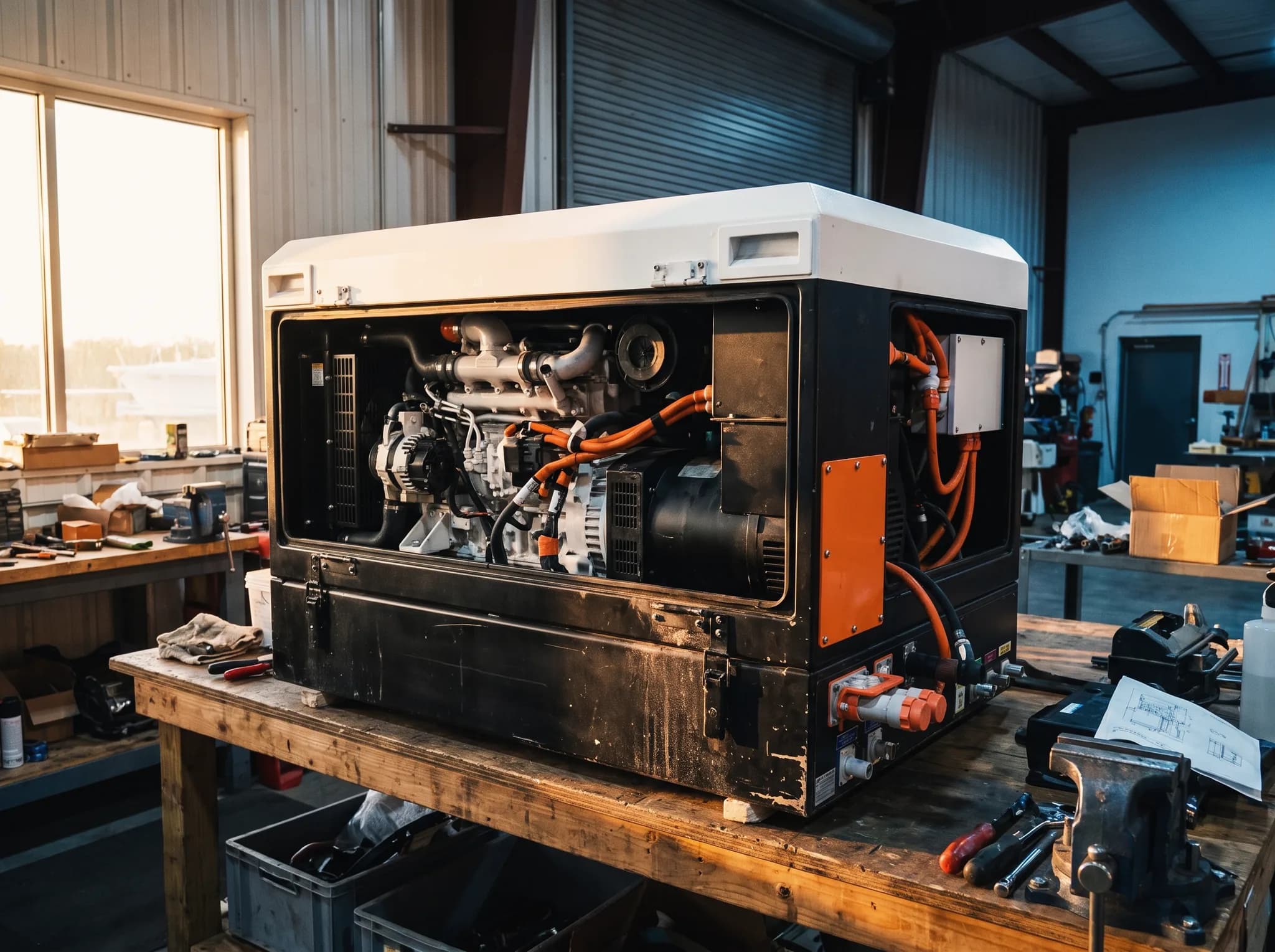
Engineered Systems
DC Generation
Marine and industrial variable-speed DC gensets, run by one product-line CAN protocol standard.
The problem class
A fixed-speed genset burns fuel at 1800 RPM whether the load needs it or not, and an AC generator forces every downstream system through a rectifier anyway. Variable-speed DC generation runs the engine where it is efficient, feeds the DC bus directly, and lets the control system dispatch generation against state of charge instead of running around the clock.
The Envoltz architecture
- Permanent magnet generators direct-coupled to the engine, feeding the DC link
- Variable engine speed mapped to load demand, dispatched automatically against battery state of charge
- One CAN protocol standard across the product line: the same master controller implementation runs a 14 kW marine unit and a several-hundred-kilowatt unit unmodified
- Generators publish their own capability on the bus; commands are issued in physical engineering units
- Marine and industrial packaging, from engine-room installations to gensets on trailers
Representative delivered systems
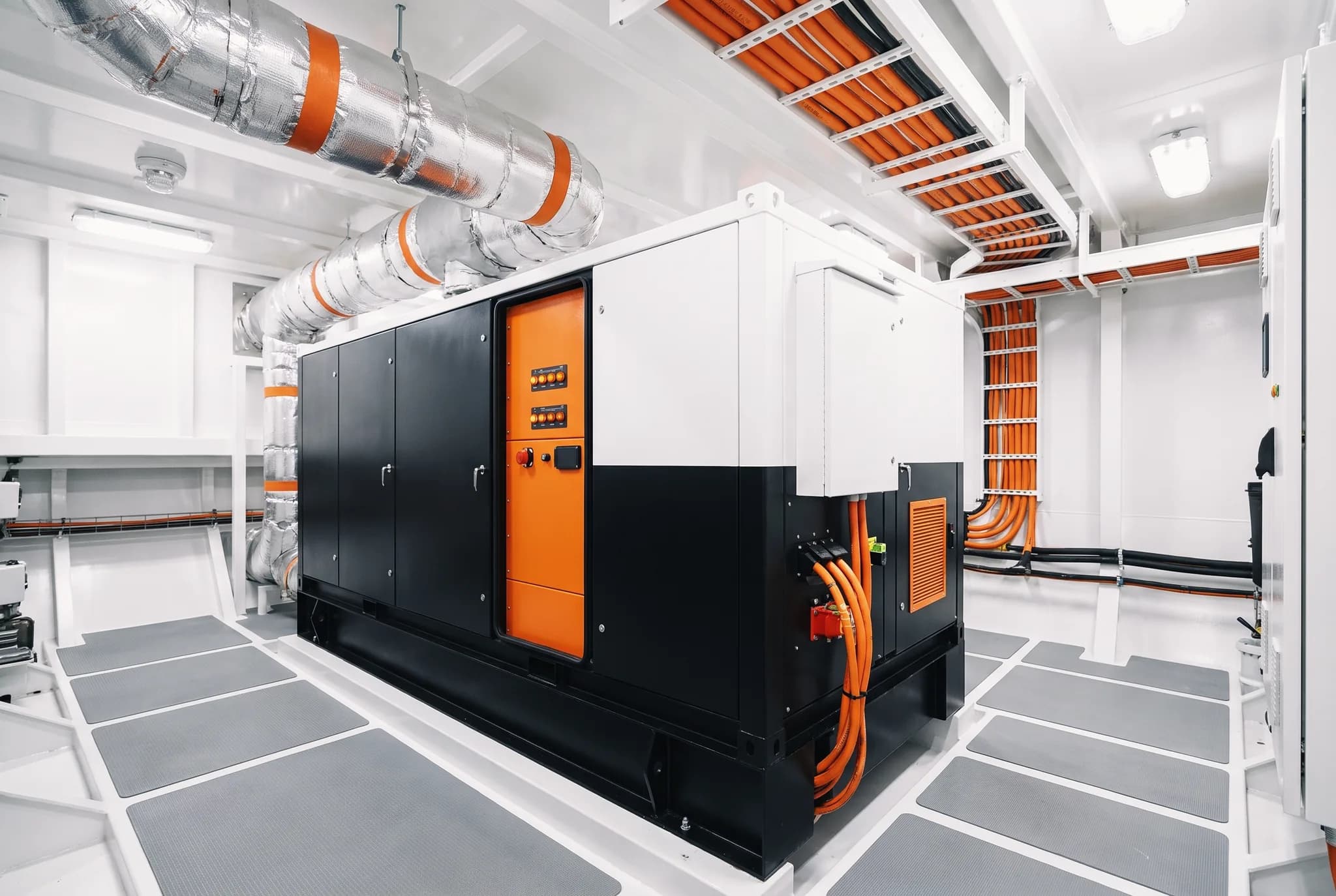
Marine DC generator, full engineering chain
An autonomous, state-of-charge dispatched marine genset with cloud telemetry, delivered with the complete documented engineering chain.
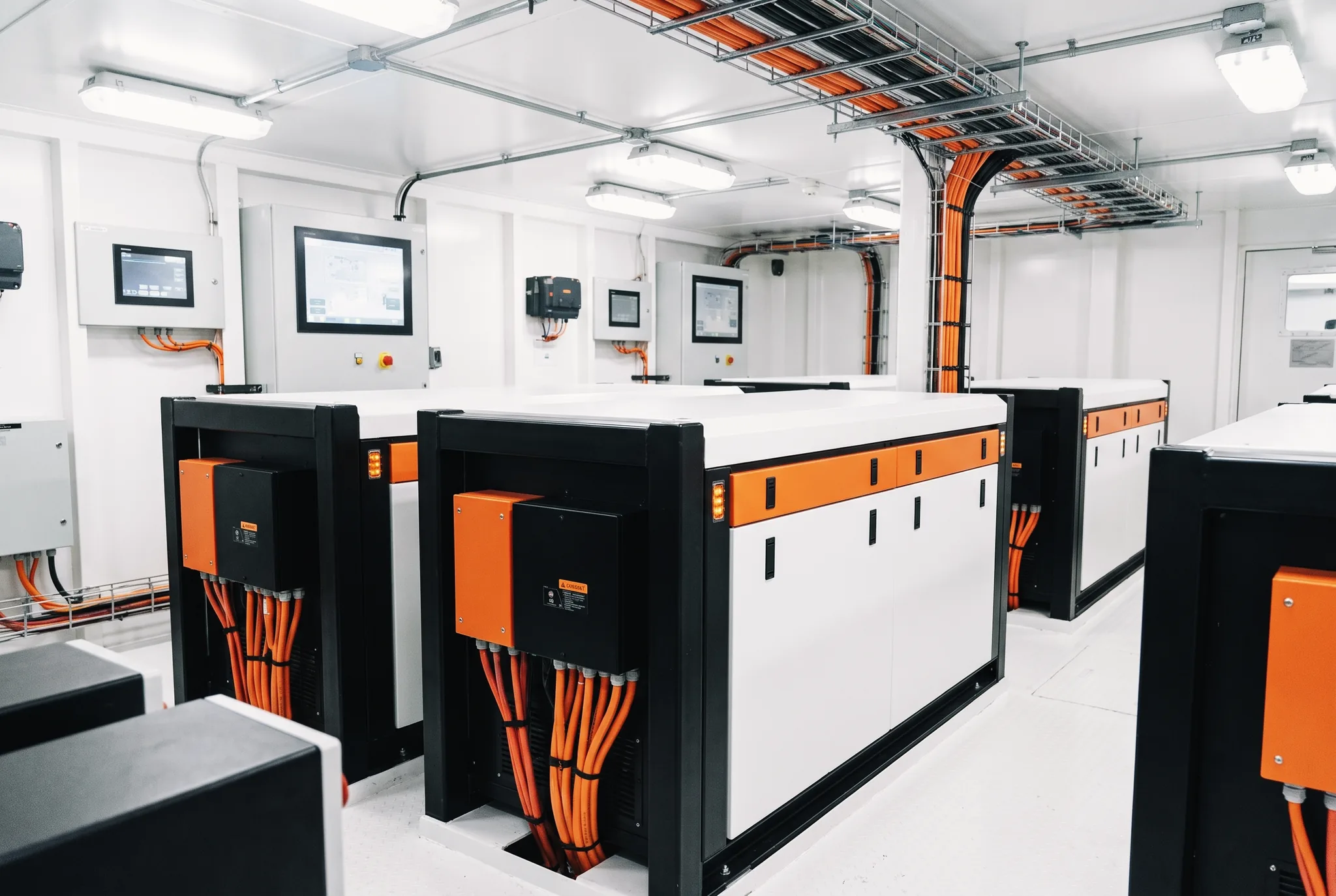
Multi-unit marine integration
International project with master-to-master controller integration alongside a third-party integrator, proving the CAN standard on a second platform.
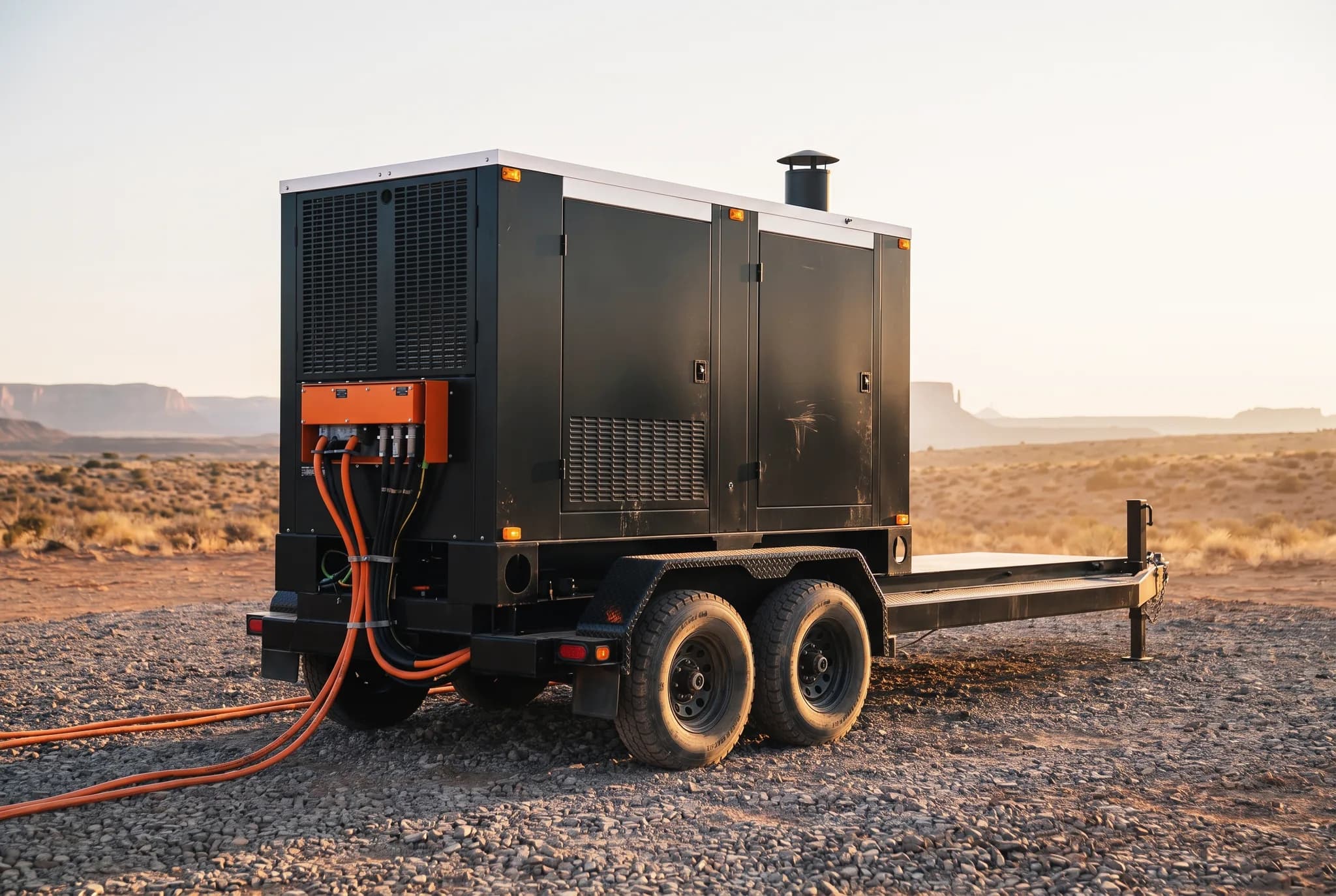
Industrial DC genset trailers
Variable-speed DC generation packaged for the yard and the pad, in natural gas and diesel.
The engineering artifacts behind it
Every program ships with a revision-controlled document set. This is what your bid evaluator gets to read, and what your technicians work from for the life of the system.
Have a dc generation problem?
Tell us the duty cycle and the site. An engineer reads every request.